
Front door replacement for the home
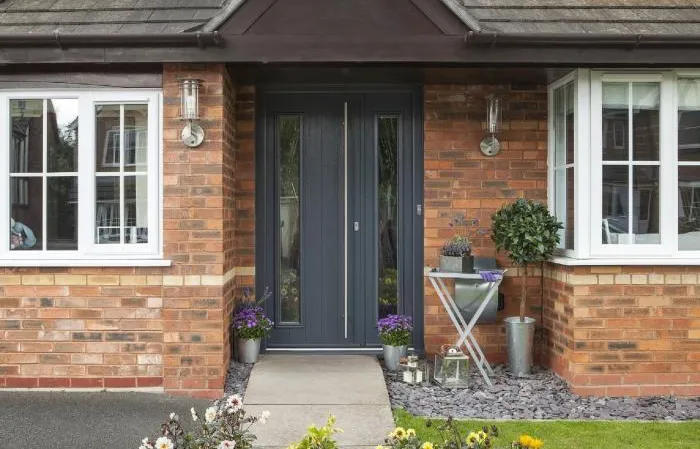
When people plan home improvements, replacing the front door often becomes a priority. It makes a strong first impression, even before anyone enters the house. An old or weak entrance can make the whole home seem outdated, while a new, carefully chosen front door quickly boosts kerb appeal and sets a positive tone for the rest of the property.
A front door is more than decoration. It plays a big role in energy efficiency, noise control, and security, and it needs to handle daily use in all weather. If a door is warped, loose on its hinges, or missing weather seals, it can let in draughts and water, make the hallway colder, and raise heating bills over time. We often find signs of moisture, damaged paint, and gaps letting in light when we remove old doors.
The front door is also the main entry point to a home. Modern, secure doors with multi-point locks, reinforced frames, and strong cylinders offer much better protection than older timber or basic uPVC doors. Customers often tell us that after installing a new composite or upgraded uPVC door, they notice it feels sturdier, closes more quietly and makes them feel more secure.
Knowing when to replace your front door
A well-kept front door can last for years, especially if the frame is solid and the house is sheltered. We usually suggest repairs or adjustments as long as the door is still in good shape and there are no major problems, such as rot or warping. Eventually, though, it makes more sense to replace the door to meet today’s standards for security, energy efficiency, and style.
Clients often contact us when their door stops closing smoothly or when they see daylight around the edges, even if the door looks shut. These issues usually mean the hinges are worn, the weather seals are old, or the frame has shifted over time. Sometimes we can fix this with adjustments or new parts, but if the frame is severely damaged or has shifted significantly, replacing the door is usually the best option.
We often find older timber doors with soft or spongy lower rails and cills, which means moisture has gotten in and weakened the wood. In our experience, patch repairs might help for a while but don’t fix the real problem. When rot is so severe that a screwdriver goes in easily, we talk honestly with customers about the advantages of switching to a stronger, longer-lasting door rather than making further temporary repairs.
Security is another important reason to replace a door. If the locks are loose, the door bends at the corners, or the frame looks like it has been forced before, we usually suggest a full replacement. Modern composite and uPVC doors have reinforced cores and security-tested hardware that perform much better than many older doors. This is why security often sits alongside appearance and energy efficiency when customers compare options.
Choosing a style that suits your property
After deciding to replace the door, the next step is picking a design that fits the home’s style and surroundings. Many clients enjoy this stage because they can choose colours, glass, panel layouts, and hardware to make a great first impression. We help by offering practical advice on how different choices will perform and how much maintenance they’ll need over time. From there, it is easier to narrow down the options.
Traditional homes often look best with classic panelled doors in subtle colours, sometimes with decorative glass at the top to let in light. Modern homes and extensions usually suit simpler designs, long glass panels, and bold or contrasting colours. Customers tell us that seeing real examples in our showroom or in local homes helps them picture how a new door will look, instead of just relying on catalogue photos.
It’s important to think carefully about glass sections in your door. We often recommend frosted or etched glass for privacy if the door opens into a living area, and stronger laminated or triple glazing for doors facing busy roads or exposed spots, to improve security and reduce noise. Sidelights and top lights can brighten dark hallways, but they need to be chosen and fitted properly to avoid cold spots and keep the entrance secure. In our experience, spending time on these details now means you’ll have a door that feels right for years to come, and it also leads neatly into the question of material choice.
Comparing door materials and construction
Choosing the right material is key when replacing a front door. We install high-quality uPVC and composite doors, and we’ve noticed clear differences in how each type holds up over time in local weather. To help clients compare them, it makes sense to look at timber, uPVC, and composite options in turn.
Timber is the most traditional choice and looks great on older or character homes. Well-treated hardwood doors with good paint or stain and regular care can last for decades. However, they do need upkeep. Owners should be ready to sand, repaint, or revarnish as needed, and to fix any cracks or peeling to keep out moisture and prevent the wood from moving.
uPVC doors are often the most affordable way to get a modern, low-maintenance entrance. They are lightweight, don’t rot, and don’t need painting, and now come in many colours beyond just white. We’ve found that good uPVC doors provide decent insulation and strong locks, but they may not feel as solid or look as detailed as top-quality composite or timber doors. Customers often choose uPVC when they want to keep costs down and prefer a simple, clean look.
Many clients now choose composite front doors because they combine the best features of different materials. A typical composite door has a solid or foam core, a tough glass-reinforced outer layer, and is often supported by a reinforced uPVC or timber frame. This makes them strong, stable, and energy efficient. Composite doors are especially good for exposed spots, as they handle sun, rain, and heavy use without warping or fading. Customers say they like that composites feel as solid as timber but need much less upkeep.
No matter the material, we focus on good thresholds, seals, and frame construction. Energy-efficient doors need proper weather seals, insulated cores, and well-made frames to keep out draughts and reduce heat loss. Modern doors are much better at this than many older ones. With those basics in mind, it becomes easier to compare security and energy performance together.
Understanding security and energy performance
Security and energy efficiency are both important when replacing a front door. We believe it’s best to think about them together, since a door that closes tightly and locks well will usually keep out both intruders and cold air. That makes the choice of hardware and fitting just as important as the door itself.
Modern secure front doors use multi-point locks that fasten the door at several spots along the frame, often with hook bolts and deadbolts to pull the door tightly into its seals. We always suggest using high-quality, security-tested cylinders that resist snapping and picking, especially for doors facing the street. Clients often appreciate seeing these locks in action in our showroom, as it helps them understand the difference compared to older locks.
Energy performance is measured similarly to windows, with U-values and, in some cases, independent ratings for the complete door set. Composite and insulated uPVC doors with good panelling and glazing can achieve low U-values, meaning they lose less heat than old timber or single-glazed doors. We often tell clients that while a new front door alone won’t drastically cut energy bills, it does help when combined with good windows, insulation, and heating controls. After upgrading, clients often notice their hallways are less draughty and cold air doesn’t gather near the entrance.
Budgeting for a replacement front door
Cost is always important, and we aim to give honest advice based on current prices. In the UK, replacing a front door and frame can cost from a few hundred to several thousand pounds, depending on the material, design, glazing, and the complexity of the job. Most good quality doors are priced in the mid-hundreds to just over a thousand pounds. Our experience in Cheshire matches these figures, though each project is different.
We suggest clients consider the whole entrance, not just the door itself. The total cost usually covers the new door, removal and disposal of the old one, repair of any masonry or plaster, installation of new trim, upgrading locks and hardware, and adding finishing touches. When customers see what’s involved, they often feel better about choosing a higher-quality option that will last longer and work better.
Paying a bit more for a high-quality composite or well-made uPVC front door with good hardware and energy performance usually pays off over time. A front door lasts for years and affects your home’s security, comfort, appearance, and even running costs every day. We notice the difference when we compare older doors to newer ones designed for long-term performance. That is why the final choice should balance upfront cost with lasting value.
Working with a specialist installer
Some experienced DIYers replace their own front doors, but most people benefit from hiring a specialist like Select Window Systems. Accurate measuring, ordering, fitting, and finishing are all important to make sure the new door meets its security and energy standards. Choosing specialist support also helps the job run more smoothly from start to finish.
We often meet clients who have lived for years with a door that was never properly fitted. Common issues include frames that are not square, thresholds that are too high or too low, and hinges that were never adjusted properly, leading to sticking or rubbing. Once we have installed a new door and made fine adjustments so that it latches cleanly and seals evenly all round, our clients realise how it should always have felt. That final result usually confirms why careful fitting matters so much. That final result is why a specialist installation makes such a difference.
Our team in Cheshire brings together product knowledge and practical experience of working in a wide variety of property types, from modern estates to older cottages and townhouses. It helps us to understand the quirks of local building styles, from uneven walls to deep reveals, and to plan installations accordingly. We also take care of small but important details such as matching trims, concealing fixings and ensuring that external sealant work is neat and durable. Feedback from clients indicates that these finishing touches make a noticeable difference to the overall impression and help the entrance feel like an integral part of the home rather than an obvious replacement.
Making a front door replacement work for you
Looking back over the many front door replacement projects we have carried out, we believe the most successful outcomes occur when every aspect of the entrance is considered together. Design, material, security, energy performance, budget and installation quality all contribute to how the finished door looks, feels and performs.
Our clients often tell us that once they have lived with a new front door for a few months, they notice changes in both subtle and obvious ways. Guests comment on the look of the entrance, the hallway feels more welcoming and less draughty, and there is greater confidence that the property is properly secured at night or when left empty. They also appreciate knowing that the door has been chosen and fitted with their specific home and lifestyle in mind, rather than being a generic off-the-shelf solution.
As a team specialising in replacement doors and windows across Cheshire, we combine detailed product knowledge with many years of on-site experience. We understand the benefits of uPVC and composite front doors in real homes, how various hardware options perform under regular use, and which designs best suit different local property styles. If you are considering a new front door and would like to explore options for your own home, we would be pleased to share more of our experience, show you examples in our Cheshire showroom and prepare a clear, tailored quotation that reflects your priorities for appearance, security, energy performance and budget.
More on replacing doors
Security for doors
Benefits of composite
Get some door locks
Wooden doors
Select Window Systems
Phone: 01606 863553
Email: hello@swsonline.co.uk
Visit: Unit 2, Woodford Court, Winsford, Cheshire, CW7 2RB
Cheshire doors and windows.
Window and door installations across Cheshire.
Visit Our Cheshire Showroom
Disclaimer
Select Window Systems accepts no responsibility or liability for any damages or costs of any type arising out of or in any way connected with your use of this website. Select Window Systems cannot be held liable for any actions taken in reliance on any published content, which is for information purposes only.