
Benefits of composite doors
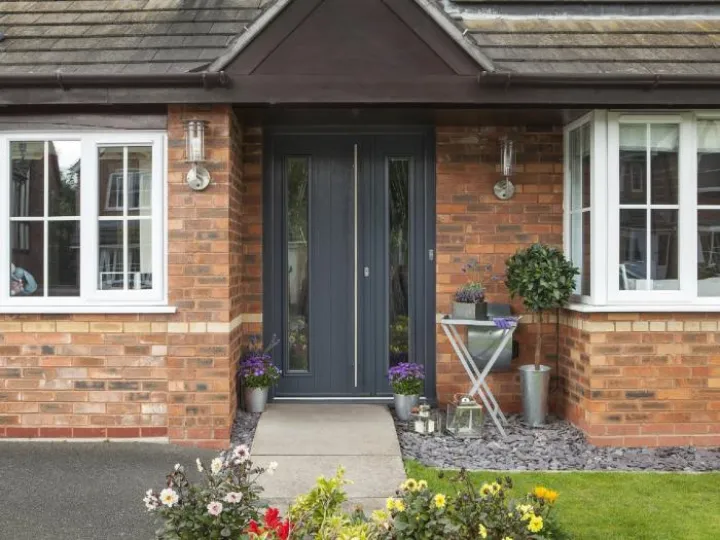
When we started working with entrance doors years ago, most homes we visited had either a timber door needing constant upkeep or a plain uPVC panel. Today, more households across Cheshire are choosing composite front doors. These blend the look of timber with the strength and low maintenance of modern materials. Once customers visit our showroom and experience a well-made composite door, they quickly see why this product has become the most popular UK entrance option.
What excites our installation team is that the benefits of composite doors are not just marketing claims. They stem from the way these doors are engineered, with multiple materials carefully layered to address issues such as warping, draughts and poor security. These issues have plagued single-material doors for decades. Our work suggests that when you combine a solid or engineered timber core with advanced insulating foam, a robust PVCu or composite subframe, and a tough glass reinforced plastic outer skin, you get a front door that feels reassuringly solid. It also looks fantastic and performs reliably in real-world conditions for many years.
How composite doors are made and why it matters
To understand the true benefits of composite doors, it helps to look at how they are built. Traditional doors rely on a single main material, usually solid timber or hollow PVCu. This means they inherit all the weaknesses of that one material. Timber can absorb moisture and move, leading to swelling, shrinking and sticking. Older plastic doors can discolour, warp or feel flimsy to the touch. Composite front doors tackle this by combining several carefully chosen materials. These materials are bonded under high pressure to form a single, rigid structure.
In our commercial and domestic installations, we commonly use doors with a dense timber or engineered wood core for strength. A PVCu or composite subframe adds stability. Insulating polyurethane foam enhances thermal performance, while a tough glass-reinforced plastic (GRP) skin offers weather resistance and a quality finish. Each layer serves a unique purpose: the core provides weight and solidity; foam and frame prevent heat loss and draughts, while the GRP skin supplies colour, grain effect, and protection from the elements.
In our experience, this multi-material construction is a crucial reason energy-efficient composite front doors outperform older timber and basic uPVC designs in the British climate. Manufacturers and independent tests report that composite doors provide significantly greater thermal efficiency, with some models retaining over 15 per cent more heat than conventional doors. For regions like Cheshire, often subject to wet and windy weather, that extra insulation and stability translate into noticeable improvements in comfort and lower running costs throughout the door’s lifetime.
Warmth, comfort and energy efficiency
Rising energy prices have made thermal performance an immediate concern for homeowners evaluating entrance doors. While security and curb appeal remain priorities, many are directly comparing the insulating quality of their options. Composite front doors lead in this comparison, as their well-insulated core, tightly sealed edges, and modern double or triple glazing allow them to outperform traditional timber and uPVC doors—often achieving U-values that meet or exceed the latest building regulations.
Composite doors frequently carry an A or A plus energy rating because they are so effective at retaining heat and reducing draughts. Some door manufacturers report that their composite doors are more than 17 per cent more thermally efficient than comparable solid timber or timber-panelled doors. The typical lifespan of these products can reach 30 to 35 years. When you spread the potential energy savings and the avoided repainting and repair costs over that timeframe, the value proposition becomes very strong.
Our own work in Cheshire homes supports this. We often hear from customers a season or two after fitting that the area around the front door now feels noticeably less draughty and more comfortable. This is especially true in older properties where the original door was thin and poorly sealed. For houses on main roads or busier streets, the sound insulation is another welcome benefit. The thickness and mass of a composite slab, combined with modern glazing units, help reduce traffic noise. This makes hallways and living rooms feel calmer and more private.
Security, strength and peace of mind
For most families, the front door is the primary line of defence against intruders, so it has to feel and be secure. One of the headline benefits of composite doors is the strength and resistance they offer compared with many older designs. The multiple layers, timber core and reinforced frame create a door leaf that is thicker and heavier than a typical uPVC panel door. Many composite doors are around 44-45 millimetres thick. Standard uPVC alternatives are around 28 millimetres thick, which gives composite doors a clear advantage under pressure.
Our Cheshire customers notice this as soon as they try the door themselves. There is a satisfying weight when you pull it closed, and a solidity when you gently push against it from inside. That feel is supported by real test data. Leading UK suppliers point out that composite front doors are regularly tested to security standards such as PAS 24. They often form part of police-backed Secured by Design schemes, which recognise products that help reduce the risk of burglary. These doors are usually fitted with secure multi-point locks as standard. These use hooks, bolts and deadlocks that engage at several points around the frame rather than relying on a single latch.
Our team has installed many such systems and always pays close attention to the quality of the locks, keeps, hinges, and the door slab itself. We often recommend laminated glass for glazed sections as added protection; these units may crack if attacked, but typically stay in place. For households that have experienced attempted break-ins, the reassurance of a stronger, better-locked door is one of the most important benefits of composite doors and usually the main reason for upgrading.
Maintenance, appearance and long-term value
One of the reasons composite doors have become so popular with busy households is that they are genuinely low effort to look after. Traditional timber doors do have a very special charm, but they demand regular sanding, painting or varnishing to keep them looking their best and to protect them from rain and sun. In my experience, many homeowners simply do not have the time or inclination for that level of upkeep. Low-maintenance composite doors for busy homes solve this problem. The outer skin and colour finish are designed to resist weathering with little more than an occasional wipe down.
Industry sources note that modern composite doors will not rust, warp or fade, with colours and realistic woodgrain textures engineered to remain stable through years of harsh weather. Several manufacturers claim lifespans of 30 years or more, which aligns with on-the-ground observations: early generations fitted 15 or 20 years ago are still performing well. Not having to repaint the door every few years saves time and money, and keeps your home’s entrance looking smart without constant attention.
Appearance is another area where composite front doors mean Cheshire homeowners no longer have to compromise. Today, there is a huge choice of colours, from heritage greens and deep blues through to contemporary greys and bold statement shades. There is also a wide variety of panel designs and glazing options. Many doors use highly detailed timber-effect skins that give the look of a painted or stained wooden door without the maintenance headaches. Our work suggests that when people see the range of designs in person, they often find something that matches their property style and personal taste more closely than old standard options could.
Costs, comparisons and choosing the right option
It is natural to ask whether a composite door is worth the higher initial cost compared with a basic uPVC front door. Composite doors typically cost more because of their complex construction, thicker sections, and upgraded hardware. However, they generally last 25 to 35 years, offer better thermal efficiency and security, and need less maintenance than basic uPVC alternatives. When factoring in potential energy savings, reduced painting costs, and greater security, the lifetime cost of a composite door often compares favourably with that of a uPVC door.
The comparison with timber is slightly different. A high-quality hardwood door can be beautiful and can last many years if it is looked after, but in the UK climate, that usually means regular painting or refinishing and sometimes dealing with swelling, shrinkage or rot. Composite doors offer a way to enjoy a similar appearance with a more predictable performance and much lower maintenance, which is why so many of our customers in older Cheshire homes have chosen them when replacing tired original doors. In our experience, the question is less composite doors vs uPVC front doors or timber in isolation and more about which option gives you the right blend of security, efficiency, appearance and hassle-free ownership for your budget.
When we advise clients, we look at the whole picture. For example, if a property is particularly exposed to driving rain and sun, a composite door’s weather resistance and colour stability may be worth the extra investment, as they protect both the entrance and the home’s appearance for many years. If someone is planning a future move, we also discuss how a high-quality entrance can influence first impressions for potential buyers. Estate agents frequently comment that a smart, solid-looking front door sets the tone for the rest of the viewing and signals a well-cared-for property, which can support both saleability and, in some cases, value.
Bringing the benefits to your own home
From everything we have seen in our day-to-day work, the benefits of composite doors extend well beyond the technical brochure headlines. They give you a front door that feels solid and secure every time it closes, keeps warmth in and draughts out, shrugs off the weather and still looks fresh many years down the line with very little attention. For many of the households we help, upgrading to energy-efficient composite front doors is one of the most visible and satisfying home improvements they ever make because it changes how they feel every time they return home.
When you visit our Cheshire showroom, we can walk you through different designs, show you exactly how secure composite doors with multi-point locks operate, and help you compare composite doors vs uPVC front doors or timber alternatives in a clear and honest way. We often find that once people see and feel the options side by side, their choice becomes much easier. If you are ready to explore the benefits of composite doors for your own property, our team would be delighted to share examples from recent local installations, discuss styles, colours and glazing, and help you choose a door that will welcome you home for decades to come.
Select Window Systems
Phone: 01606 863553
Email: hello@swsonline.co.uk
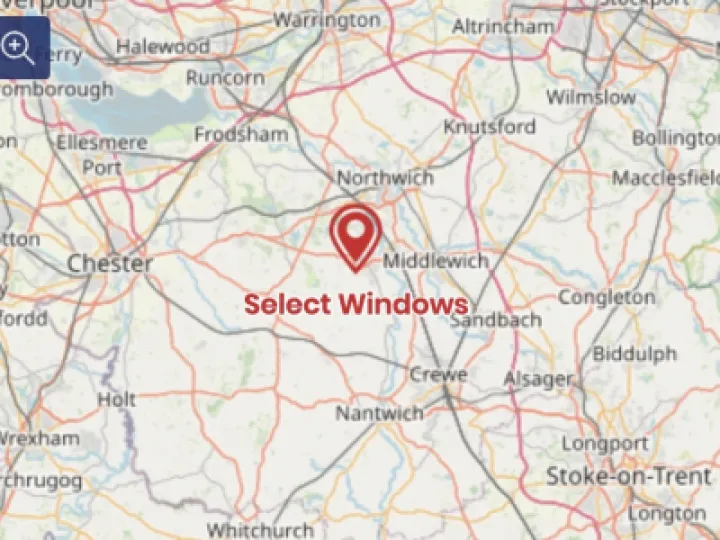
Visit: Unit 2, Woodford Court, Winsford, Cheshire, CW7 2RB
Cheshire doors and windows.
Window and door installations across Cheshire.
Visit Our Cheshire Showroom
Disclaimer
Select Window Systems accepts no responsibility or liability for any damages or costs of any type arising out of or in any way connected with your use of this website. Select Window Systems cannot be held liable for any actions taken in reliance on any published content, which is for information purposes only.