The case for casement windows
When people start planning replacement windows, we often notice that the same questions come up very quickly. Which style gives the best balance of appearance, performance and value? Which option will suit the character of the property without making everyday use harder? And which windows are most likely to justify the investment over the long term? In our experience, casement windows deserve serious attention because they answer all three questions better than many people expect. They are practical, adaptable and widely suitable, whether we are advising homeowners updating a family home or commercial clients improving a workplace.
We have worked with customers who want cleaner sightlines, stronger thermal performance, easier ventilation and a style that does not feel dated a few years later. Time and again, casement windows come up in conversation because they are available in a wide range of materials, sizes, and opening configurations, and because modern designs seal tightly when closed. That tight seal is one of the biggest reasons many buyers choose them, as it helps reduce air leakage and improve energy efficiency.
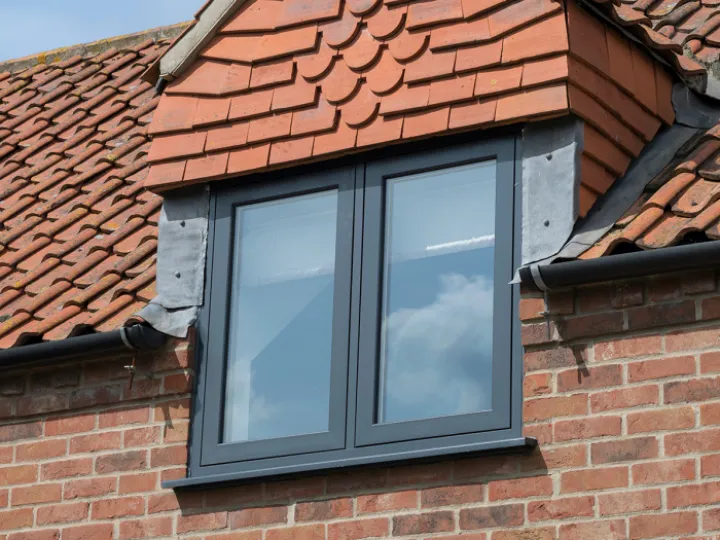
What makes casement windows especially useful is that they can suit a wide range of projects. We see them used in traditional homes, modern extensions, retail units and office buildings because the format is so flexible. Flush casement options can also echo older timber window styles, which makes them a strong choice when appearance matters just as much as performance. In the sections below, we will look closely at how casement windows work, why they perform so well, where they fit best, what buyers should weigh before ordering, how costs compare, and why they remain one of the most convincing choices when replacing windows in a home or commercial property.
Why casements stay popular
From what we’ve seen, casement windows remain popular because they solve everyday problems without overcomplicating things. They are hinged windows that open outward and can be side-hung, top-hung, or bottom-hung. This gives us more options to match the opening style to the room and how the building is used. That flexibility is a big advantage when replacing old windows, especially if the openings are different sizes or if clients want a consistent look throughout the property.
We also find that customers respond well to the balance between familiarity and performance. Casement windows are among the most common window styles in the UK, and they are available in uPVC, timber and aluminium, with a wide spread of finishes and detailing. For clients who want a more traditional look, flush casement windows sit neatly within the frame and closely resemble old-fashioned timber windows, while still offering the benefits of a modern replacement system. For buyers who prefer a more contemporary appearance, slimmer and simpler casement designs can work equally well.
Casement performance in daily use
When we discuss replacement windows with clients, daily performance usually matters more than abstract design theory. A window needs to open easily, shut securely and cope well with changing weather. Modern casement windows are designed with a fully sealed closure that creates an airtight, waterproof seal when closed. This is one of the key reasons they are widely regarded as energy efficient, since tighter sealing reduces unwanted heat loss and air leakage.
Ventilation is another strong advantage. Because casement windows can be opened partially or fully, they allow flexible airflow and, when positioned well, can catch passing breezes and help circulate air indoors. We often find this especially useful in kitchens, bedrooms, meeting rooms and other spaces where stale air builds up quickly. Unlike some window styles that restrict the opening area, casement designs can provide a wider opening and a clearer path for fresh air.
Security also matters when we are helping clients compare options. Casement windows can offer good security when fitted with proper handles and locking hardware, and one reason often cited is that the closed sash is tightly secured into the frame. In practice, this combination of ease of use, weather resistance, airflow and secure closing is why many of our clients see casements as the all-rounder of the replacement window market.
A good fit for properties
One of the best reasons to choose casement windows is how well they fit different types of properties. At Select Window Systems, we’ve seen them work in period homes, simple suburban houses, modern extensions, and commercial buildings that need a clean, reliable window system. Since casement windows come in many styles and materials, it’s often easier to match them to the building than with more specialised window types.
For older homes, flush casement windows are a great choice. They look a lot like traditional timber windows, so they fit well with classic styles but also look good on newer homes. We find this important because many owners want better insulation and easier maintenance, but don’t want to lose the unique look that made them love the property in the first place.
Commercial properties can benefit as well. Our business clients often want windows that are low-maintenance, reliable, and look professional. Casement windows offer all of these, plus they let in natural light and help with ventilation in offices, shops, and mixed-use buildings. Being able to choose different materials and finishes also makes it easier to balance budget, durability, and appearance on bigger projects.
What customers should consider
While we believe casement windows are a great option, it’s important to be honest about their limits. Since they open outward, the frame and hardware need to support the weight of the glass, which can limit how big the window can be. Casement windows usually aren’t suitable for openings taller than about 170cm, so it’s important to check this when planning. This doesn’t mean they’re a bad choice, but it does mean choosing the right design is important.
Another practical thing to consider is outside space. Outward-opening windows need room to open, so we always consider nearby paths, landscaping, entrances, and public areas before finalising the design. In weather-exposed areas, this is even more important. Top-hung casement windows are often chosen in wetter areas because they help keep out rain, while stormproof styles are designed to seal more effectively in tough conditions.
Choosing the right material is also important. uPVC is usually the most affordable and needs little upkeep. Aluminium is strong and has a slim look, but how well it insulates depends on the system. We often remind clients that the best casement windows aren’t just the cheapest ones. The best choice is the one that fits the building, the weather, the level of maintenance you want, and the look you want to achieve.
Casement costs and long-term value
Price always matters, but in our experience, buyers get the best outcome when they think in terms of value rather than headline cost alone. The average price for a uPVC casement window with one opener ranges from £200 to £500, while aluminium frames often cost 30% to 50% more. A consumer guide from the Federation of Master Builders places estimated per-window costs at £525 to £670 for uPVC, £700 to £870 for aluminium, and £1,630 to £1,975 for timber. Exact figures vary because sizing, glazing, hardware and installation details all affect final pricing.
We usually tell our clients to think about how these costs relate to long-term performance. Better sealing can reduce draughts and lower heating and cooling bills, which is why casement windows are often seen as a good long-term value. Double glazing is the standard for most replacements, while triple glazing can improve energy savings and reduce noise even more, though it usually costs 10% to 20% extra.
Maintenance is another factor in value. uPVC and aluminium usually need little upkeep, while timber needs more regular care to protect it from moisture and wear. Many clients tell us that spending a bit more at the start for the right material and setup can save headaches later, especially if you want windows that work well, are easy to look after, and still look good years down the line.
Why we often recommend casements
To put it simply, we think casement windows stand out because they offer flexibility, strong everyday performance, and wide visual appeal in a way that few other options do. They can be made to fit both traditional and modern buildings, provide great ventilation, and, when chosen carefully, their tight seal helps with energy efficiency and security. For many window replacement projects, this mix is exactly what people are looking for.
In our work at Select Window Systems, we often see clients arrive with only a vague idea that they need new windows, then leave convinced that casements offer the clearest path forward. That is usually because the benefits are tangible rather than theoretical. Better airflow, easier operation, cleaner sightlines, strong value and adaptable styling are all things people notice in real use. Flush casement options further strengthen the case for customers who want to respect a property's age or style without compromising modern standards.
When replacing windows in a home or commercial property, it helps to choose a style that avoids unnecessary trade-offs. In our experience, casement windows do exactly that. They give us room to tailor the specification to the building and the client, whether the priority is heritage appearance, thermal efficiency, practical ventilation or sensible cost control. If you are weighing up replacement options, this is where we would start the conversation, because time and again, casement windows prove themselves to be one of the most reliable and well-rounded choices available.
Select Window Systems
Phone: 01606 863553
Email: hello@swsonline.co.uk
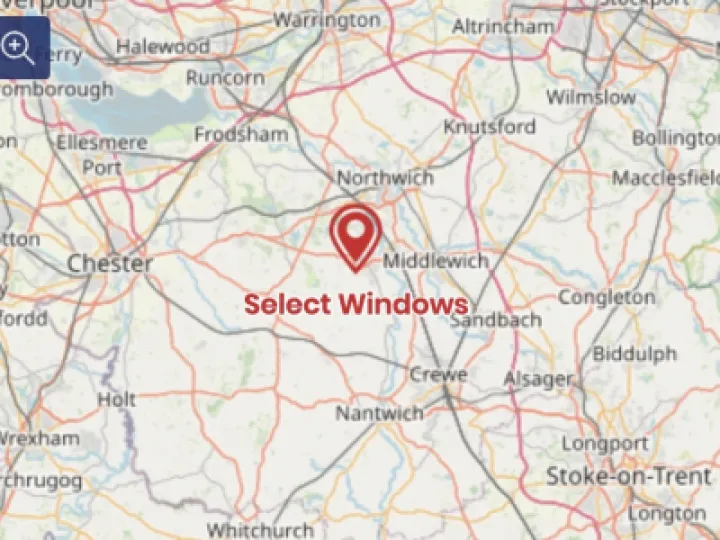
Visit: Unit 2, Woodford Court, Winsford, Cheshire, CW7 2RB
Cheshire doors and windows.
Window and door installations across Cheshire.
Visit Our Cheshire Showroom
Disclaimer
Select Window Systems accepts no responsibility or liability for any damages or costs of any type arising out of or in any way connected with your use of this website. Select Window Systems cannot be held liable for any actions taken in reliance on any published content, which is for information purposes only.