
Flush frame windows for the home
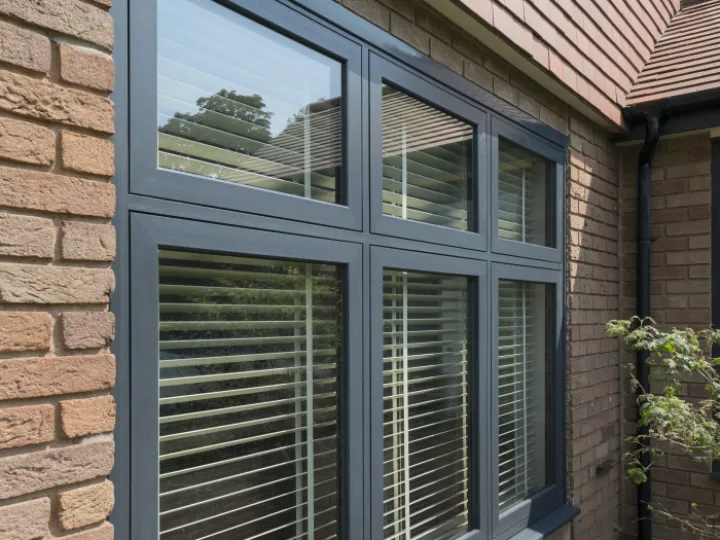
The only real difference between a flush-frame window and a standard one is about 15 millimetres. That is genuinely all it is. That small gap can make a window look like it truly belongs on your house or like it was just added on. In conservation areas, those 15 millimetres can even determine if your planning application is approved or rejected.
We have installed many of both types. Most homeowners do not realise there is a difference until it is explained to them, but once they know, they spot it everywhere. Clients often tell us that after we point it out, they notice which houses have flush windows and which do not every time they walk down their street. It is a detail you do not see until you know to look for it.
The definition is simple. In a flush-frame window, the opening sash closes into a rebate, so that its outer face sits level with the surrounding frame. The result is a single flat plane. On a standard or stormproof casement, the sash overlaps the frame and sits proud of it, creating a visible step and a shadow line down the face of the window.
That is the whole of it, mechanically. Everything else follows from it. The appearance, the planning implications, the manufacturing tolerances, the price, and the specific details you need to get right for the finished result to convince anyone.
We will explain what makes a window truly flush-framed, how flush and stormproof designs compare in performance, why conservation officers care about profile depth, the differences between timber, uPVC, and aluminium versions, the important details such as joints and hardware, and what you can expect to pay.
What makes a window flush framed
The term 'flush frame' refers to how the window parts fit together, not the material or style. In any hinged casement window, there is an outer frame attached to the wall and an opening sash inside it. The key difference is where the sash sits when closed. If it lines up with the frame, it is a flush casement. If it sits in front of the frame, sticking out by ten to fifteen millimetres, it is a stormproof or lipped casement.
There is a common misconception in the industry, even in some of our older materials. Flush framing is not a 19th-century invention. It was actually the original way casement windows were made, dating back to the Tudor period and continuing through the Georgian, Victorian, and Edwardian eras. The stormproof design only appeared in the 1930s, when mass production made it easier to manufacture.
This history is important in practice. If your home was built before 1930, it almost certainly had flush windows originally. If it was built between the 1930s and 1970s, it probably had stormproof windows.
Both casement and sash windows can have flush profiles, and this approach works with many window types. Whether it is a single bottom-hung casement, a side-hung casement, a double top-hung casement, a bay window, or a custom combination, the flush detail is about the profile, not the layout.
Flush casement or stormproof: the difference
We want to be more helpful than most sales materials, since performance comparisons are often misleading. When it comes to thermal performance, both types are basically the same. They use the same glazing and seals, achieving the same U-values. If someone says a flush casement is warmer or colder than a stormproof one with the same specs, they are selling, not explaining. Security is also the same for both. They both use PAS 24-tested multipoint espagnolette locks, and the profile shape does not affect this.
Weather resistance is one area where there is a small but real difference, and we want to be honest about it. The stormproof overlap gives you an extra barrier against heavy rain, which is a real benefit. A flush casement relies on good compression seals and drainage to do the same job. In practice, a well-made modern flush window works very well in all UK conditions, and we have never had a weather-related issue. However, on very exposed sides of a house, the overlap does help, so we would look for strong seal details before recommending flush windows there.
Flush windows have a clear advantage in sightlines. Without the overlap, the profile looks slimmer, and you get a bit more visible glass. When you have several windows in a row, this difference becomes even more noticeable.
Here is our straightforward advice: If your property was built before 1930 or is in a conservation area, go with flush windows. For homes built after 1930 with stormproof windows and no planning restrictions, either option works, so it comes down to looks and budget. We still usually recommend flush, because the improvement in appearance is well worth the extra cost.
Why conservation officers care about profiles
We wish more homeowners read this before ordering. If your property is listed or in a conservation area with an Article 4 direction that removes permitted development rights, you do not have the option to choose window style based on preference. Planning officers usually require replacements to match the original character, and profile depth is one of the main things they check.
If you get this wrong, it is not just a small issue. Officers can and do require you to remove windows that do not meet the rules, even after they are installed. We have been asked to quote for this kind of job more than once, and it is always a frustrating and costly mistake.
Here is an important point that often confuses people: Flush windows are not always right for every period property. If the original windows were flush casements, like on cottages, farmhouses, Arts and Crafts houses, and many Georgian and Victorian homes without sash windows, then flush replacements are expected. But if the originals were vertical-sliding sashes, as in many Victorian and Edwardian terraces, planners will want sash windows rather than flush casements. Matching the original window type is more important than just picking the most traditional-looking option.
Material is another factor. In a typical conservation area, a well-made uPVC or aluminium flush casement with a woodgrain finish and mechanical joints is often accepted. For listed buildings, timber is almost always required.
Our strong advice is to get pre-application advice from your local conservation officer before you order. It is usually free, takes just a few weeks, and is much cheaper than making a mistake.
Choosing between uPVC and aluminium
Timber was the original material and is still the standard for authenticity, which is why listed buildings almost always require it. If your property truly needs timber joinery, we will let you know and recommend a specialist, rather than try to sell you something unsuitable. We offer the two materials that work for most flush-frame projects, and for most homes in Cheshire, one of these will be the right choice.
uPVC has seen the most improvement, and most of our flush frames are now made from it. Modern multi-chamber profiles with quality woodgrain finishes look convincing from a distance, something that was not possible 20 years ago. uPVC only needs an occasional wash with warm, soapy water, will not warp or rot, and now comes in many colours beyond just white, including creams, heritage greens, and off-whites that suit period homes. You can expect it to last about 25 to 35 years, with hardware and seals needing attention before the frame itself.
Aluminium offers the slimmest sightlines in a flush profile and lasts well over 40 years. Its marine-grade powder-coated finish keeps its colour in any RAL shade, and the strength of aluminium means larger sashes stay straight without extra support, unlike uPVC. On modern homes, a flush aluminium profile looks like a premium feature rather than a period copy, which is worth considering. The downside is cost, as aluminium is usually 1.5 to 2 times more expensive than uPVC for the same size.
We want to be honest about this: Some claims that wood-effect uPVC looks exactly like timber are exaggerated. From three metres away, with a good system and the right hardware, most people cannot tell the difference. Up close, most people can. We would rather set the right expectation now than have you disappointed later.
For most homes in Cheshire, we recommend a quality woodgrain uPVC flush casement with mechanical joints. It gives you most of the visual benefits at a much lower cost, requires little maintenance, and usually meets conservation officer requirements. Choose aluminium if you care more about slim sightlines than budget, if your home is modern, or if you want the longest lifespan. This advice assumes you do not have a planning rule that requires timber, which is the one case where our materials are not suitable.
Details worth specifying carefully
If you remember one technical detail, focus on the joints. Standard uPVC windows are welded at the corners, resulting in a slight curve and a visible weld line. Mechanically jointed sashes, deep bottom rails, and outer frames copy the square, butt-jointed look of timber joinery. This detail does more than anything else to make a uPVC flush window look right on a period property. It costs a bit more, but it is worth it, and conservation officers often check for this.
Hardware is almost as important. Use butt hinges instead of modern friction stays, choose monkey-tail or peg-stay handles in a period finish, and go for concealed fixings when you can. Modern chrome hardware on an otherwise great flush casement can spoil the overall look.
Think carefully about glazing bars. Astragal or Georgian bars fit better with flush sashes than with lipped ones, which is a subtle benefit of the profile. However, bars should match the original pattern, not just be added for decoration. On a simple cottage, it is often best to leave them out.
A good flush casement system with 24mm double glazing gets a U-value of about 1.2 W/m²K and an A+ Window Energy Rating, which easily meets the 1.4 W/m²K maximum set by current Building Regulations in England. Make sure to ask for the whole window value, not just the centre pane figure.
Finally, remember that most modern uPVC and aluminium systems can be fully recycled at the end of their life, which is a real advantage compared to older frames that end up in landfill.
What flush frame windows cost
Flush framing does cost more, and it is good to know what to expect before you get quotes. Independent sources say the extra cost over a standard casement is usually between 10 and 25 per cent, with 15 to 20 per cent being most common. That means about £40 to £150 more per uPVC window and £70 to £200 more per aluminium window, or between £600 and £1,800 for a whole house.
For actual prices, a mid-size uPVC flush casement in the UK costs about £500 fully fitted, with small units starting at £300 and larger ones up to £800. A full set of twelve for a three-bedroom house is about £7,500 nationally, with prices in Cheshire usually a bit lower.
The extra cost is not just marketing, and we say this as people who have to explain it. Flush construction needs tighter tolerances, since there is no overlap to hide small misalignments. Weather seals have to work harder without the lip. Specialist hardware is more expensive, and any imperfections in the finish are more noticeable on a flat surface than on a stepped one.
We would only question the extra spend if your home was built in the 1980s or later, already has stormproof windows, there are no planning restrictions, and your budget is tight. In that case, your money might be better spent elsewhere. In most other situations, we think flush windows are among the best-value upgrades you can make.
Getting the detail right first time
Choosing flush frame windows is a small design choice that makes a big difference in how your house looks. The sash sits flush with the frame rather than sticking out, so your home retains more of its original character.
Three things help you decide if flush windows are right for you: the age and style of your property (since anything built before 1930 almost certainly had flush windows), any planning rules that might limit your options (check with your conservation officer before ordering), and whether the 15 to 20 per cent extra cost is worth it to you. For period properties, we think it definitely is.
If you decide to go ahead, make sure to ask for mechanical joints and period-appropriate hardware. These two details make the biggest difference. We are always happy to discuss your options, and we will let you know if a standard casement would work just as well. For a free, no-obligation quote for flush-frame window replacement anywhere in Cheshire, call us at 01606 863553 or email hello@swsonline.co.uk, and we will visit your home.
Select Window Systems
Phone: 01606 863553
Email: hello@swsonline.co.uk
Visit: Unit 2, Woodford Court, Winsford, Cheshire, CW7 2RB
Cheshire doors and windows.
Window and door installations across Cheshire.
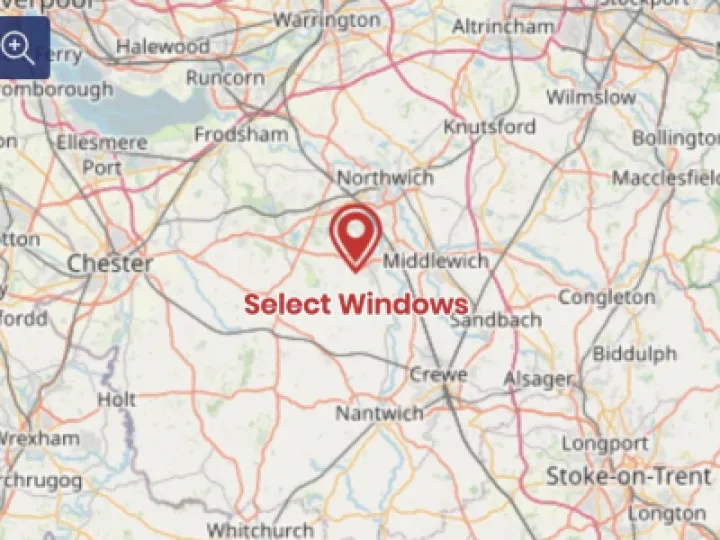
Visit Our Cheshire Showroom
Disclaimer
Select Window Systems accepts no responsibility or liability for any damages or costs of any type arising out of or in any way connected with your use of this website. Select Window Systems cannot be held liable for any actions taken in reliance on any published content, which is for information purposes only.