The lifespan of uPVC windows
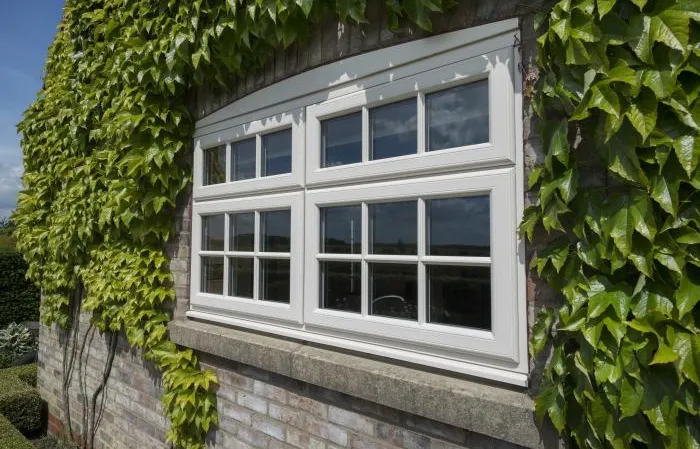
If you are considering replacing your windows or doors, it is crucial to understand how long uPVC will last, not just which style or colour to choose. Many homeowners want to know whether uPVC is a long-term investment and when to plan for replacement.
Most modern uPVC windows last 20 to 35 years and often exceed their original guarantees when well-made, properly installed, and well-maintained. For anyone updating an older home, uPVC window lifespan affects total cost, energy savings, and comfort.
We’ll explain what to expect, what can make uPVC last longer or shorter, and how to tell when it is time to replace old windows with new, high-performance ones.
What uPVC is and why it lasts
uPVC stands for unplasticised polyvinyl chloride. It is a strong, stable plastic often used in modern window and door frames because it doesn’t rot, rust, or absorb moisture. Unlike older plastics, good uPVC is made with stabilisers and UV-resistant additives, so it does not fade, warp, or become brittle in normal weather for many years.
It also resists smog, mould, and pollution, so even in cities, the frames usually look good with just simple cleaning. This durability is a key reason uPVC windows last longer than timber windows, which require regular painting, or basic aluminium windows, which can rust in tough or coastal areas.
How long does uPVC last
Experts and installers agree that uPVC windows typically last 20 to 35 years, and some high-quality models can last even longer. Most manufacturers offer guarantees of 10 to 25 years, but groups like the British Fenestration Rating Council have found that well-made, properly installed windows often last beyond their warranty period.
On the other hand, very cheap or poorly made windows can fail within 5 to 10 years, especially if they use thin materials or weak components to save money. In a typical UK home with normal weather and basic care, you can expect uPVC windows to last 20 to 35 years before you need to replace them for performance reasons, not just looks.
Factors affecting uPVC durability
Several factors can explain why one homeowner’s uPVC windows last 30 years while another’s need replacing after only 15. Knowing these can help you estimate how long your own windows will last.
First is product quality: better uPVC, thicker frames, stronger steel or aluminium supports, and high-quality hardware help windows last longer and avoid issues like sagging or broken locks.
Second is installation: poor fitting can cause stress, leaks, and early seal failure, but professional installation with the right materials helps the windows last as long as they should.
Finally, climate and exposure: in the UK, how long uPVC windows last depends on whether they face strong sun, heavy rain, or salty coastal air, which can wear out seals and metal parts, even though the uPVC itself remains stable.
Maintenance can have a big impact
uPVC is popular for replacement windows because it is low-maintenance, not maintenance-free. As with any other window material, a little care can help your windows last longer. Clean the frames regularly with warm water and mild soap to keep them free from dirt that can stain or damage the seals. Avoid harsh chemicals or rough cleaners, as they can scratch the uPVC surface and remove any protective coatings.
Lubricate hinges, handles, and locks once or twice a year to prevent them from stiffening or wearing out, especially if you live near the coast, where salt can affect metal parts. Check drainage holes, gaskets, and sealant lines regularly to ensure water drains away properly. This helps prevent damp, draughts, and misted glass over the life of your windows.
Energy efficiency and long-term value
How long uPVC lasts is important, but modern uPVC windows are also made to save energy, which adds value over time. In the UK, energy-efficient uPVC windows can save a typical semi-detached home over £200 a year on heating bills when upgrading from single glazing, especially with special glass and double glazing.
Over 20 to 30 years, these savings, along with better comfort and less condensation, can offset the cost of installing new windows. While timber can last longer with proper maintenance, it still requires regular painting and additional care. uPVC, on the other hand, offers an attractive mix of long lifespan, low maintenance, and reasonable cost. It’s an excellent option for homeowners who want a simple, reliable option.
When to replace older uPVC windows
Even the best windows will not last forever. Knowing when to replace old uPVC windows can help you avoid heat loss, security issues, and frequent repairs. Signs that it is time to replace them include persistent draughts, windows that are hard to open or close, warped, yellowed, or brittle frames, and condensation or misting inside double-glazed units, which indicates that the seals have failed.
If your uPVC windows are over 20 years old and exhibit several of these problems, it may be better to invest in new, high-performance windows rather than repair the existing ones. New energy-rated uPVC windows can enhance your home’s appearance, improve security with strong locks, reduce noise and improve comfort.
Comparing uPVC with other materials
For many people, the choice isn’t just about how long uPVC lasts, but whether other materials offer better value over time. uPVC windows will often last 20 to 35 years; timber can last up to 60 years if you look after it, and good aluminium windows last 30 to 45 years. Note that these figures can vary.
Timber is a good long-term option if you are willing to paint and maintain it to stop rot and moisture damage. Aluminium suits modern designs and large windows, but it may need extra care near the coast because of salt exposure. uPVC is a practical middle-ground choice: it is reliable, lasts 20–35 years, and needs little maintenance, making it a strong option for busy families and landlords who want durable, affordable windows across several properties.
Making a confident choice
In most UK homes, modern uPVC windows can last 20 to 35 years if you buy from a trusted supplier, have professionals install them and maintain them properly. During that time, high-quality uPVC windows will help keep your home warm, quiet, and secure, and only require occasional cleaning and minor maintenance to stay in good condition.
If your current uPVC windows are ageing, showing wear, or making your home less comfortable, now is a good time to consider new options with long-term durability, high energy ratings, and modern aesthetics. Talk to an experienced installer who knows about uPVC windows in the UK and can help you find the right products for your budget and plans.
uPVC products from us
At Select Window Systems, we take pride in our expertise and craftsmanship in installing uPVC doors and windows to meet your exact requirements. Our products are manufactured to the highest standards and come with solid guarantees. We fully appreciate the need for quality in a price-competitive market, and we offer our customers the broadest range of uPVC profiles, colour options and designs.
Our doors and windows are premium quality, sourced from world-class manufacturers, and our highly trained, experienced staff ensure client satisfaction. Modern uPVC products can optimise daylight, increase insulation, embrace energy conservation, and reduce noise like never before.
The fully fitted windows and doors we install meet consumers’ aspirations for affordable products. Our uPVC products offer style and comfort, with long-lasting durability and low maintenance, which people want.
Select Window Systems accepts no responsibility or liability for any damages or costs of any type arising out of or in any way connected with your use of this website. Select Window Systems cannot be held liable for any actions taken in reliance on any published content, which is for information purposes only.
Select Window Systems
Phone: 01606 863553
Email: hello@swsonline.co.uk
Visit: Unit 2, Woodford Court, Winsford, Cheshire, CW7 2RB
Cheshire doors and windows.
Window and door installations across Cheshire.