
Types of interior doors
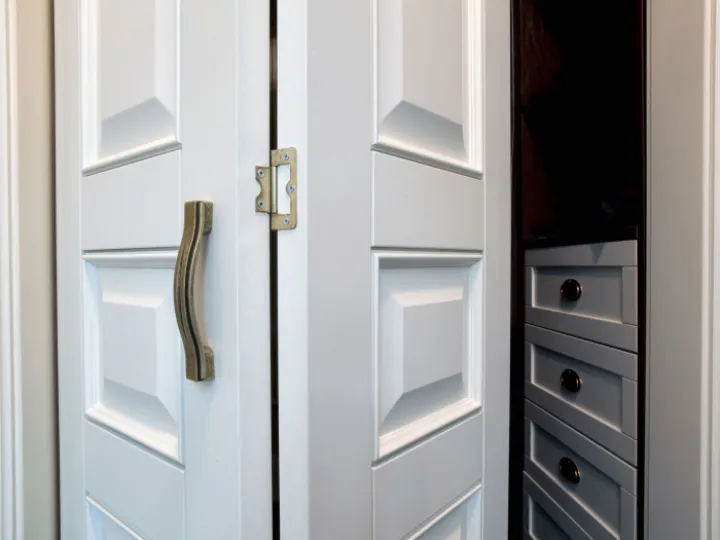
Changing your doors can quickly refresh the look and feel of your home. Internal replacement doors do more than serve a purpose; they help define the style of every room. No matter if you live in a modern flat, a Victorian terrace, or a new family house, the doors you choose shape the mood and character of your living spaces.
With so many styles to choose from, it can be hard to know which is right for you. Things like material, finish, noise insulation, and how the door opens all make a difference.
We explore the most popular styles and key considerations when choosing new internal replacement doors. We’ll cover different door constructions, finishes, and fitting styles, helping you make an informed decision tailored to your property, aesthetic goals, and budget.
Internal doors deserve more attention
Homeowners often focus on paint or flooring and forget about their doors, even though doors connect every room both visually and practically. The right interior door can let in more light, improve energy efficiency, and provide privacy when you need it. Replacing old or mismatched doors can even boost your property’s value.
Good-quality internal replacement doors deliver several advantages. They:
Improve thermal performance by retaining heat between rooms.
Reduce noise transfer for better comfort and privacy.
Elevate interior design through coordinated finishes and detailing.
Add long-term durability and wear resistance from daily use.
When you pick the right doors, they become part of your home’s design, almost like built-in furniture. Good doors are both attractive and useful, tying together your walls, floors, and windows for a unified look.
Simple style and strength of flush doors
We have found that flush doors are a popular and budget-friendly choice for many of our customers. Their smooth, flat surfaces give a clean, modern look that works well in contemporary spaces. Even though they look simple, flush doors come in different structures and finishes that affect their quality and performance.
Solid-core flush doors have a dense timber or engineered core, making them heavy, strong, and great at blocking sound. They’re ideal for home offices, bedrooms, or shared flats. Hollow-core flush doors are lighter and more affordable, but they don’t block noise or handle impacts as well. Stave core doors use stacked timber slats, offering a balance between cost and strength.
In addition to being durable, flush doors are valued for their versatility. Thanks to modern manufacturing, you can choose from real-wood veneers like oak or walnut, painted MDF, or scratch-resistant laminates. These finishes are easy to care for, making them a good choice for busy homes or commercial spaces where both looks and durability count.
Timeless appeal of panelled doors
Panelled interior doors are always in style. Their framed sections or moulded details add depth and elegance to any room. Whether you like traditional four-panel doors, simple two-panel designs, or detailed Victorian styles with six or eight panels, there’s a panelled door for every taste.
Panelled doors are also very adaptable. They can be made from engineered timber, solid wood, or composite materials, and some include glass panels to let more light between rooms. For example, doors with frosted or clear glass can brighten dark hallways while still maintaining privacy.
Panelled doors work well with most home styles. For a modern look, you can pick shaker-style panels with clean, square edges. If you have a period home, raised panels or doors with decorative beading give a more traditional finish. Panelled doors are easy to look after, especially if you choose pre-finished timber veneers that resist moisture and scratches. White or grey painted finishes are also popular because they fit in with both light and dark colour schemes.
Character and warmth of planked doors
If you want a warm, traditional look, planked or “cottage” doors are a great choice. Made from vertical wooden boards—often oak, pine, or walnut—they bring a rustic style and solid strength to your home. These doors are also called ledged or ledge-and-brace doors. They have horizontal and diagonal supports on the back to stop warping and keep them sturdy. Once common in country cottages, they’re now popular again in barn conversions and homes that want an authentic feel.
Planked doors are also built to last. Because they’re made from solid timber, you can sand, refinish, or stain them as needed, so they’ll serve you well for many years. Choosing wood from sustainable sources, such as FSC-certified oak, is better for the environment and still delivers great performance.
A practical tip: planked doors can expand when it’s humid, especially in older homes with uneven walls. Getting them professionally measured and installed helps avoid alignment issues and ensures they fit well year-round.
Interior door finishes and customisation
Once you have selected your ideal style, decide how you want your new door finished. The three most common options are unfinished, primed, and fully finished.
Unfinished doors allow complete control over colour and surface texture. You can paint, varnish, oil, or wax them to match existing décor, a great choice if blending with bespoke joinery or older architectural features. Primed doors arrive pre-coated with an undercoat (typically white), ready for your chosen colour to be applied directly, saving time on preparation.
Fully finished doors are the easiest option. They come with a smooth, durable factory-applied finish, so they stand up well to everyday use. For busy families or landlords, pre-finished doors save time and simplify maintenance. Colour trends have changed over time. Natural oak is always popular, but neutral shades like stone, light grey, and off-white give a modern touch. If you want something bold, black or navy doors with brass or matte hardware look very stylish.
Space-saving and sliding door options
Small spaces call for creative solutions, and sliding or bifold doors are perfect for this. They used to be seen as just practical, but now they’re valued for their style, simplicity, and flexibility.
Sliding doors move along tracks next to the wall, so they don’t need as much space as doors that swing open. They’re great for small hallways or en-suite bathrooms, and you can add frosted glass panels for privacy while still letting in light. Modern hardware makes them quiet and smooth to use, with soft-close features for a high-end touch.
Bifold doors are great for open-plan living. They let you create flexible spaces between kitchens, dining rooms, and lounges, so you can open up rooms for gatherings or close them off for privacy. Adding glass or mirror panels to bifold doors helps reflect light and makes smaller spaces feel bigger.
For a touch of luxury, pocket sliding doors slide right into the wall when open, giving you a seamless, space-saving look popular in modern homes.
Materials and build quality matter
How a door looks matters, but what’s inside affects how long it lasts. High-quality internal doors usually have engineered timber cores or composite layers that help prevent warping and shrinkage due to temperature changes.
Solid timber options remain the gold standard for authenticity and strength, but engineered wood doors, composed of multiple layers bonded in alternating grain directions, offer equivalent performance at a lower cost and weight. These are especially useful in multi-room projects where matching texture and tone across many doors is desirable.
In high-traffic commercial or rental environments, laminate doors are prized for durability. They withstand scuffs and moisture without discolouring, making them ideal for offices, hotels, and student accommodations. They also maintain a consistent finish across large installations.
Practical considerations before buying
Picking new interior doors isn’t only about looks; the practical details matter too. Make sure to measure carefully, including the frame, wall thickness, and floor clearance. Doors that don’t fit well can cause problems and look out of place.
Fire-rated doors may be required by law in certain multi-storey or rental properties, so check local building regulations before ordering. These are typically 44mm thick and tested to withstand fire for at least 30 minutes. Pairing them with certified intumescent seals and quality ironmongery ensures compliance and safety.
Handles, hinges, latches, and other door hardware finish off the look. Brushed nickel or matte black are good for modern styles, while antique brass is good for classic or country homes. Matching accessories, such as architraves or skirting boards, can help tie your rooms together.
Bringing all the elements together
Choosing internal replacement doors means balancing their appearance, performance, and your budget. Many people like to keep things consistent. They will use flush doors upstairs for a simple look, panelled doors downstairs for character, and glass-panelled bifolds to link shared spaces. The aim is to create a smooth, unified feel as you move from room to room.
Before you decide, check with your supplier about warranties and guarantees on materials and finishes. A trusted installer like SWS can help you choose the right hinges, make sure your doors are aligned, and suggest ways to improve soundproofing. Getting your doors fitted properly means they’ll work well and look good for years.
Transform your home with quality interior doors
Getting new internal doors is a practical way to refresh your home or business. The right doors can tie your design together, improve light and sound, and turn plain rooms into stylish spaces with character.
Whether you like the clean look of flush doors, the classic style of panelled doors, or the flexibility of sliding and bifold options, your choice should match your taste and how you live.
If you’re ready to upgrade, SWS can help you find the right style and finish for your home. Their expert installation ensures everything fits perfectly and gives you peace of mind.
Select Window Systems
Phone: 01606 863553
Email: hello@swsonline.co.uk
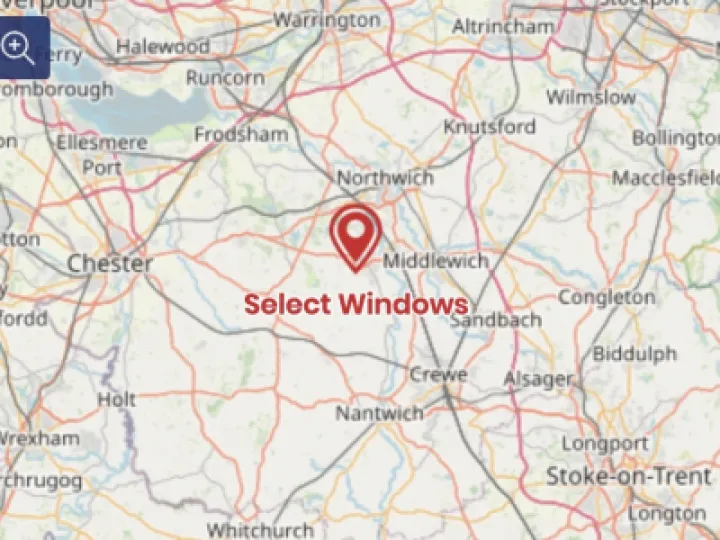
Visit: Unit 2, Woodford Court, Winsford, Cheshire, CW7 2RB
Cheshire doors and windows.
Window and door installations across Cheshire.
Visit Our Cheshire Showroom
Disclaimer
Select Window Systems accepts no responsibility or liability for any damages or costs of any type arising out of or in any way connected with your use of this website. Select Window Systems cannot be held liable for any actions taken in reliance on any published content, which is for information purposes only.